

Mandarin Monday: A Month-by-Month Guide to Chinese Festival Foods
Mandarin Monday is a regular series where we help you improve your Chinese by detailing fun and practical phrases and characters.
Today is the Laba Festival, so we thought it would be the perfect time to take a look at some of the customs and special foods that go along with Chinese festivals. We've put together this month-by-month guide so that you know which foods to seek out depending on the time of year.
JANUARY
Laba congee 腊八粥 làbāzhōu, Laba Festival 腊八节 làbā jié – 8th day of 12th lunar month (Jan 26, 2026)
Laba congee is a complex dish of rice, beans, dried fruits and nuts, and proteins such as bean curd. Laba Festival was originally an occasion to make sacrifices to the ancestors, so when eating laba congee, people first make an offering and always leave a little congee after eating, to symbolize plenty in the New Year. In northern China, this is also the day to make laba garlic, whole cloves of garlic preserved in black vinegar, great for dipping your dumplings in during Spring Festival.
FEBRUARY
Dumplings 饺子 jiǎozǐ, Spring Festival 春节 chūnjié – 1st day of 1st lunar month (Feb 17, 2026)
Eaten on the first day of Spring Festival, dumplings represent change and fecundity in the new year. The shape of dumplings resembles ancient Chinese gold ingots (sycee) so they are a particularly wealthy omen. Some people even hide one jiao and five jiao coins inside the dumplings (much like the British tradition of hiding a silver sixpence in the Christmas pudding), which are thought to bring good fortune to whoever finds them.
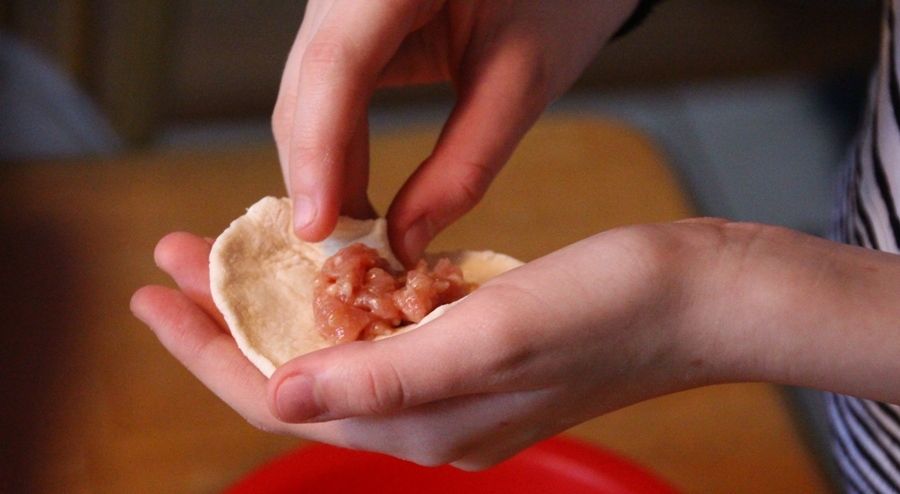
Yuanxiao 元宵 yuánxiāo, Lantern Festival 元宵节 yuánxiāo jié – 15th day of 1st lunar month (Mar 3, 2026)
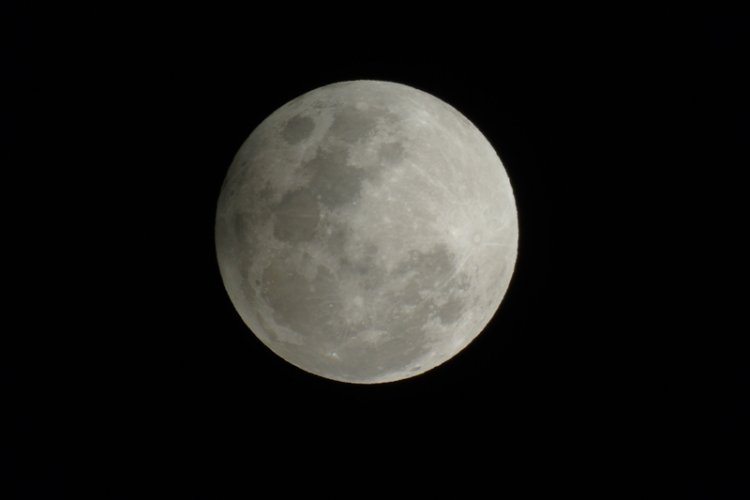
The last of the Spring Festival foods, yuanxiao (or 湯圓 tāngyuán) are balls of glutinous rice flour cooked and served in a light sugar syrup. They may be large or small, filled or unfilled. Yuanxiao literally means “first evening”, referring to the first full moon after Chinese New Year, when Lantern Festival is held.
Spring Pancakes 春饼 chūnbǐng, (Longtaitou Festival 龙抬头 lóngtáitóu) – 2nd day of 2nd lunar month (Mar 12, 2026)
This festival celebrates the onset of spring. Chunbing, thin pancakes wrapped around an assortment of meat and vegetables, were a way for common folk to welcome in the new season by literally “biting the spring”.
APRIL
Qingtuan 青团 qīngtuán , Qingming Festival 清明节 qīngmíng jié – 104 days after the winter solstice (Apr 5, 2026)
These green glutinous rice dumplings – usually filled with sweet red bean paste – are associated with Qingming, or Tomb sweeping, Festival. Qingtuan are a truly seasonal food, since the barley grass used to color and flavor them is only available around the time of Qingming.
JUNE
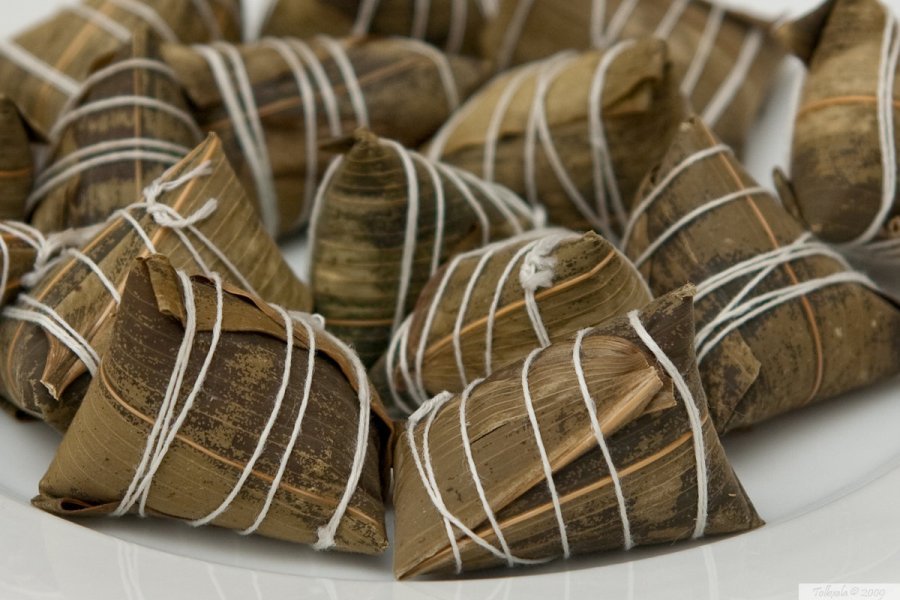
Zongzi 粽子 zongzi, Dragon Boat Festival 午节 duānwǔ jié – 5th day of 5th lunar month (Jun 19, 2026)
Apart from the eponymous dragon boat racing, the most famous part of Dragon Boat Festival is zongzi, steamed glutinous rice dumplings wrapped in banana or reed leaves. Legend has it that zongzi came about during the Warring States Period, when poet Qu Yuan drowned himself in the Miluo river after failing to warn the Chu king against the Qin invasion. Villagers threw packets of rice into the river to stop the fish from eating his body. Gruesome.
AUGUST
Qiaoguo 巧果 qiǎo guǒ, Qixi Festival 七夕 qīxī – 7th Day of 7th lunar month (Aug 19, 2026)
Qixi celebrates the tale of the Cowherd and the Weaver Girl, whose forbidden love saw them banished to opposite sides of the Milky Way, only to meet once a year on the seventh day of the seventh lunar month. Since Qixi is traditionally a women’s festival, young girls would make qiaoguo, thin fried pastries made from flour and sugar syrup.
OCTOBER
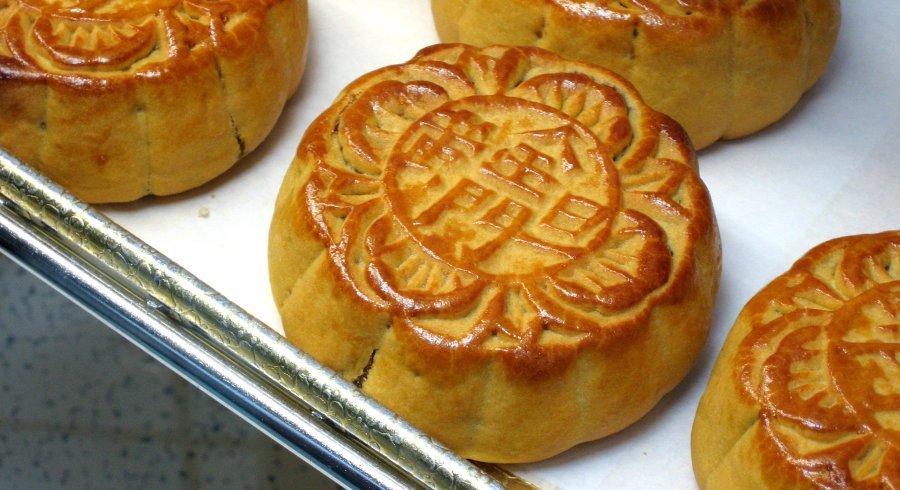
Mooncakes 月饼 yuèbǐng, Mid-Autumn Festival 中秋节 zhōngqiū jié – 15th day of 8th lunar month (Sep 25, 2026)
Mooncakes’ rounded shape is meant to represent the full moon, as well as the coming together of family. Mooncakes (yuebing) are both a hot and an unwanted commodity – everyone wants to give them, but often no one wants to eat them. This could be because a single Cantonese-style mooncake, with its lard pastry, salted duck egg yolk, and sugar-packed filling, can contain upwards of 1,000 calories.
Chongyang Cake 重阳糕 chóngyáng gāo, Chongyang Festival 重阳节 chóngyáng jié – 9th day of 9th lunar month (Oct 18, 2026)
According to the I Ching, nine is a yang number, so the ninth day of the ninth lunar month has too much yang and is thus a potentially dangerous date. To protect against danger, it is customary to go hiking on Chongyang Festival. People in non-mountainous areas eat Chongyang cake, as the character for cake (gao, 糕) sounds like the character for height (gao, 高).
DECEMBER
Dumplings 饺子 jiǎozǐ, Winter Solstice 冬至 dōngzhì (Dec 22, 2026)
Yes, the Chinese festival calendar mandates the eating of dumplings twice per year, and we're not about to complain. The Winter Solstice practice of eating dumplings is thought to have originated in the Han dynasty, when a kindly doctor took pity on some cold street children and prepared dumplings for them to eat.
READ: Mandarin Monday: 2025's Top Ten Chinese Buzzwords
Images: Wikimedia, Flickr
Related stories :


Comments
New comments are displayed first.Comments
 Sikaote
Submitted by Guest on Sun, 08/30/2020 - 14:47 Permalink
Sikaote
Submitted by Guest on Sun, 08/30/2020 - 14:47 Permalink
Re: A Month-by-Month Guide to the Most Common Chinese...
Yi. Yi Ching.
You're welcome.
Validate your mobile phone number to post comments.