Mandarin Monday: 2025's Top Ten Chinese Buzzwords
Mandarin Monday is a regular series where we help you improve your Chinese by detailing fun and practical phrases and characters.
For our first Mandarin Monday of 2026, we're taking a look back at the top ten buzzwords of 2025. These buzzwords are from the official list released by Yaowen Jiaozi (咬文嚼字), one of China's most authoritative language publications, which compiles a list of what they view as the top ten buzzwords each year.
1. 韧性 rènxìng – Resilience
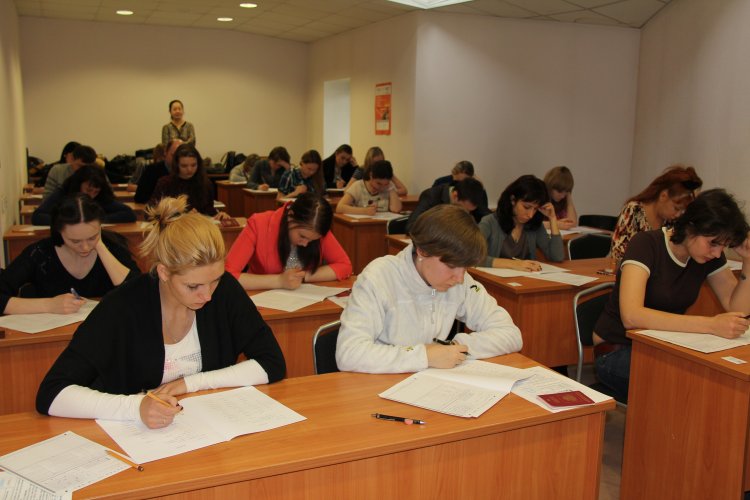
Originally meaning "resilience" or "toughness," this 2025 buzzword is used to describe a person's ability to absorb pressure, adapt, and keep going amid uncertainty. Online, it's often used with a hint of irony, praising emotional stamina and endurance in work or life, while also subtly acknowledging how much stress people are expected to tolerate.
2. 具身智能 jùshēn zhìnéng – Embodied Intelligence
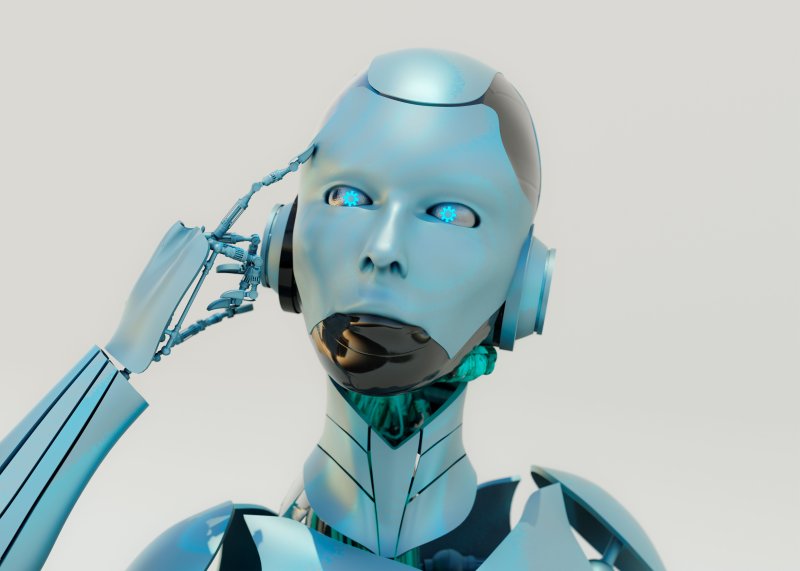
This tech phrase moved from theory to mainstream in 2025, referring to artificial intelligence that interacts with the physical world through a robotic body or form, making AI more capable and tangible than ever.
3. 苏超 sū chāo – Jiangsu Football City League
The abbreviation for the Jiangsu Football City League (江苏超级联赛 jiāngsū chāojí liánsài), an amateur football tournament that exploded in popularity in 2025. Each of Jiangsu's 13 prefecture-level cities sent a team to compete and it reignited old rivalries between cities, sparking numerous viral memes.
4. 赛博对账 sàibó duìzhàng – Cyber Reconciliation
This term refers to people using online platforms to compare real-life experiences and perceptions. It surged amid discussion of a potential TikTok ban in the US, when many US users moved to Chinese social media platforms. This prompted cross-cultural comparisons to verify what daily life, work, and social realities are actually like beyond algorithms and stereotypes.
5. 数字游民 shùzì yóumín – Digital Nomad
While the concept isn't new, this term fully entered the Chinese mainstream in 2025, describing professionals who leverage technology to work remotely from anywhere, redefining the traditional office lifestyle.

6. 谷子 gǔzi – Goods
Straight from fan culture, this is a transliteration of the English word "goods." It refers to official merchandise and collectibles from anime, comic and gaming culture, like figurines, posters, cards, etc.
7. 预制xx yùzhì xx – Pre-made xx
This prefix stems from 预制菜 yùzhìcài, "pre-made meals," which went viral this year following the Xibei controversy. However, now it has been extended to mock things that feel formulaic or fake, such as 预制浪漫 yùzhì làngmàn (manufactured romance).
8. 活人感 huórén gǎn – Authentically human
Literally meaning "living person feelings," this phrase became used to describe content or behavior that feels real, imperfect, spontaneous, and human, in contrast to polished or overly curated online personas or AI-generated content.

9. xx基础,xx不基础 xx jīchǔ, xx bù jīchǔ – If A is basic, then B isn't basic
A meme-style sentence structure that originated from a fashion vlogger's rule-of-thumb上身基础,下身就不基础 shàngshēn jīchǔ, xiàshēn jiùbù jīchǔ (If the top is basic, the bottom shouldn't be). It was quickly repurposed by netizens as a humorous template to comment on everyday life, using the contrast between "basic" and "not basic" for irony, playful critique, or self-deprecation, e.g., "If my salary is basic, then my lifestyle is not basic."
10. 从从容容…连滚带爬 cóngcong róngróng… liángǔn dàipá – (Should've been) calm and composed, but ended up rushed and scrambling
This phrase went viral after being featured in a catchy online song, which helped turn it into a meme. It humorously captures the arc of many modern experiences: starting out confident and put-together, only to end in panic or chaos. Now widely used in captions and posts, it's a form of lighthearted self-mockery for plans, deadlines, trips, goals, etc. that quickly spiral out of control.
READ: Three Things for the Week Ahead in Beijing (Jan 12-18)
Images: Canva, Freepik