
Beijingers Debate Why Preservation Matters in Light of Gulou Redevelopment
In a nation where millions still live below the poverty line, why should locals be concerned with preserving the physical remains of China's past? An audience of just under 100 mainly foreign Beijing residents gathered yesterday at Capital M overlooking Tiananmen Square to discuss this question at the roundtable Vanishing Beijing: Why Preservation Matters, organized by the Beijing Cultural Heritage Protection Center (CHP).
The irony of hosting such an event on the reconstructed Qianmen Dajie – a project frequently cited as a glaring example of how not to modernize historic zones – wasn't lost on many in the audience, a fact acknowledged by CHP founder He Shuzhong in a short but rousing closing address.
“The area south and east of here is a prime example of cultural heritage damage. This area has lost its spirit and soul,” He stated. “This kind of development leads to cultural damage and low commercial returns,” he added, a reference to the fact that many of the shops on the once thriving commercial zone have remained empty since the reconstructed street reopened shortly before the 2008 Beijing Olympics.
Reconciling economic development and conservation was a theme running throughout Sunday’s roundtable discussion. CHP board member and panelist Jim Stent was at pains to point out that the NGO is not “anti-development.” As well as raising awareness of conservation issues amongst the general public, Stent sees an important potential role for the organization in training officials in how combine economic progress with strong conservation values – even if this is not happening at the present time.
Stent cited several examples of world-class cities that have managed to combine “being modern and dynamic with preservation,” including Seville in Southern Spain, San Francisco, and Paris.
“The first time you visit Paris you see the Louvre and so on, but you go back to walk around the city and soak up what makes Paris special,” Stent commented.
Other panelists at the roundtable were Tsinghua Associate Professor of Architecture Doctor Li Luke, retired professor and Beijing resident Charlie Deng, and The Economist's Beijing correspondent Ted Plafker.
Panelists noted a range of reasons China has faced such chronic destruction of its physical heritage in recent decades, including the influence of real estate developers and the fastest rate of urbanization in human history. Professor Li also pointed out that decades of revolution – particularly the Cultural Revolution years of the late 1960s and early 70s – have changed locals' attitudes and greatly reduced the value attached to physical heritage amongst the Chinese public.
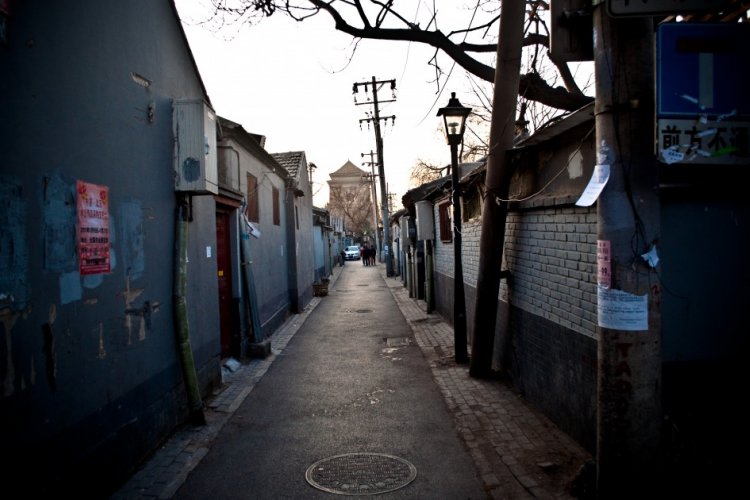
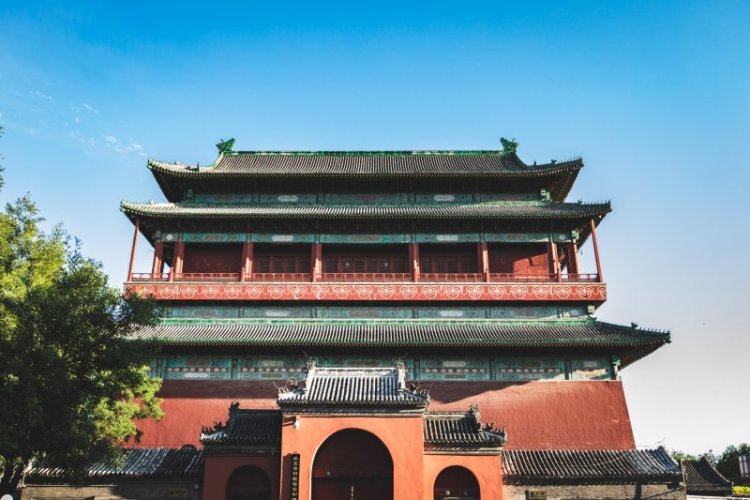
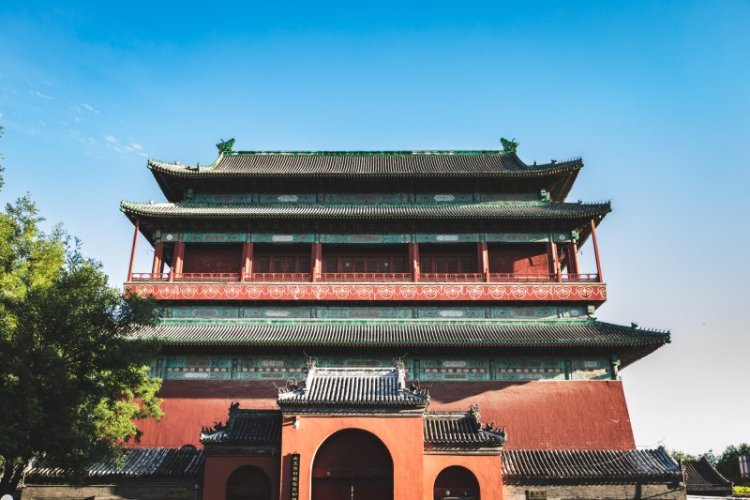
The question on many attendees' minds was the fate of the Gulou area, which has been threatened with demolition since plans were announced early this year to build a “Time Cultural City” around the Drum and Bell Towers, comprising restaurants, parking spaces, and a museum about timekeeping technology.
Unfortunately no new information was forthcoming on Gulou development, but Jim Stent said he hoped local authorities would rethink their current proposal.
“The Drum and Bell is a fantastic opportunity for city planners to learn from Beijing's past mistakes and international experience and create a fantastic area that preserves the area and enhances local peoples' livelihoods,” Stent said.
It remains to be seen whether the CHP will successfully influence the Gulou redevelopment, but He Shuzhong added a sobering note in his final address at the end of Sunday's event. “The CHP offers technical and financial solutions to achieve preservation aims. The problem is a lack of political will.”
You can read theBeijinger.com's recent interview with CHP founder He Shuzhong here.
For more information on the CHP, visit their website. Stay tuned to the Beijinger blog for forthcoming CHP fundraisers and other activities.
Related stories :

Comments
New comments are displayed first.Comments
 danedwards
Submitted by Guest on Wed, 05/26/2010 - 12:14 Permalink
danedwards
Submitted by Guest on Wed, 05/26/2010 - 12:14 Permalink
Re: Beijingers Debate Why Preservation Matters in Light of ...
China Daily has also written about the CHP roundtable and Gulou redevelopment today (Wednesday May 26).
http://www.chinadaily.com.cn/metro/2010-05/26/content_9894430.htm
Shaojie
Submitted by Guest on Tue, 05/25/2010 - 11:22 Permalink
Re: Beijingers Debate Why Preservation Matters in Light of ...
Well done! Also, check out the Global Times story on this event here:
http://59.151.109.83/www/english/metro-beijing/update/society/2010-05/534713.html
Validate your mobile phone number to post comments.